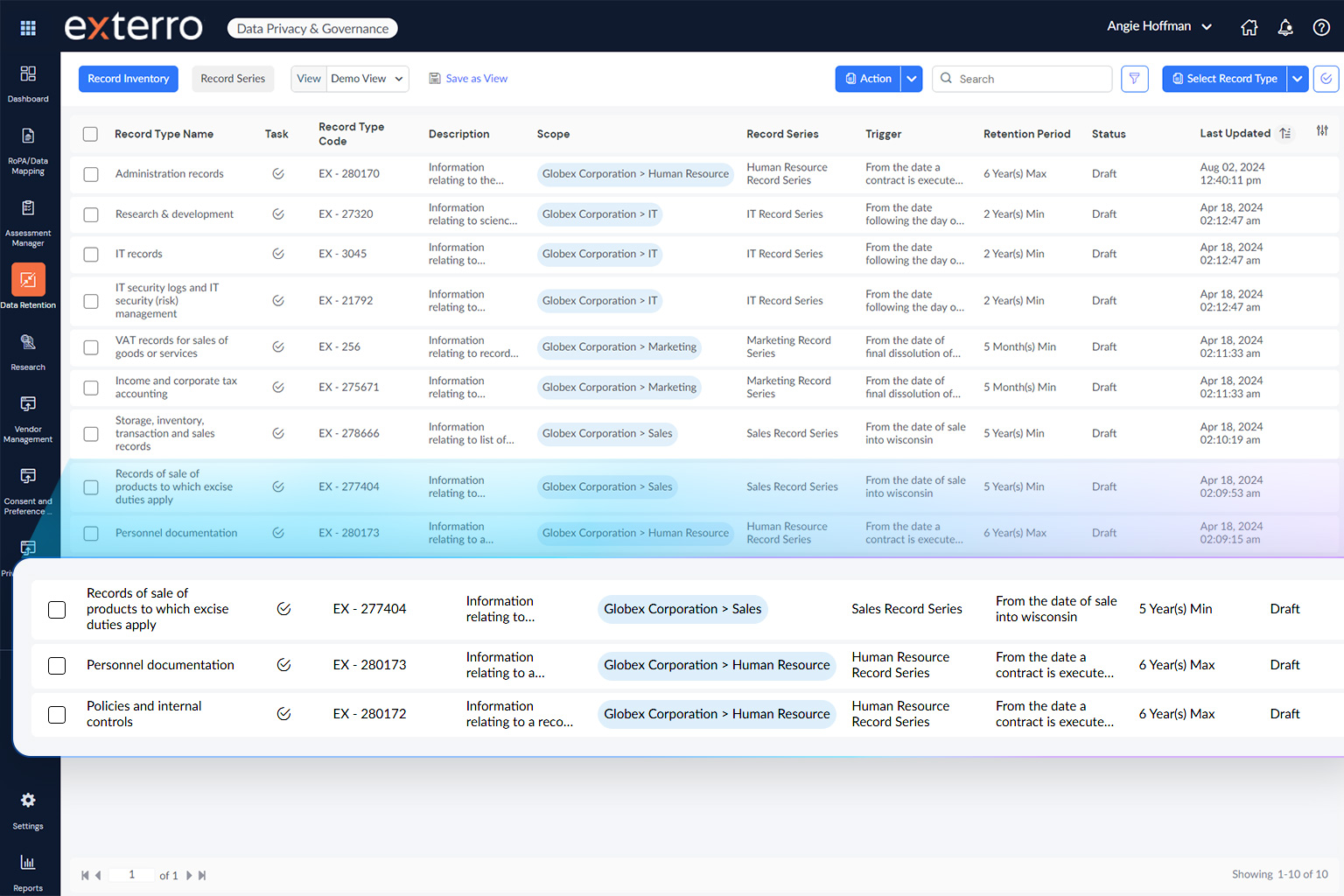
Take a defensible approach to records management and effectively minimize data risk. Leverage a comprehensive library covering hundreds of data record types and global regulatory jurisdictions.


Backed by decades of privacy and data governance expertise, Exterro Data Retention enables organizations to manage records efficiently and defensibly. Ensure compliance with complex global retention requirements and effectively minimize data risk across your enterprise.

Enterprise data retention rules must balance conflicting global privacy demands with statutory recordkeeping requirements. Exterro's automated Data Retention solution seamlessly operationalizes GDPR and CCPA/CPRA mandates directly into your data architecture, turning high-level compliance policies into enforceable, automated, and auditable storage schedules across all cloud and on-premises enterprise repositories.
Lorem ipsum dolor sit amet, consectetur adipiscing elit. Suspendisse varius enim in eros elementum tristique. Duis cursus, mi quis viverra ornare, eros dolor interdum nulla, ut commodo diam libero vitae erat.
“This system reduces the burden of the staff in the FOIA Request Service Center during the collection, review and preparation of documents and materials in response to FOIA requests.”

Lorem ipsum dolor sit amet, consectetur adipiscing elit. Suspendisse varius enim in eros elementum tristique. Duis cursus, mi quis viverra ornare, eros dolor interdum nulla, ut commodo diam libero vitae erat. Aenean faucibus nibh et justo cursus id rutrum lorem imperdiet. Nunc ut sem vitae risus tristique posuere.

Lorem ipsum dolor sit amet, consectetur adipiscing elit. Suspendisse varius enim in eros elementum tristique. Duis cursus, mi quis viverra ornare, eros dolor interdum nulla, ut commodo diam libero vitae erat. Aenean faucibus nibh et justo cursus id rutrum lorem imperdiet. Nunc ut sem vitae risus tristique posuere.

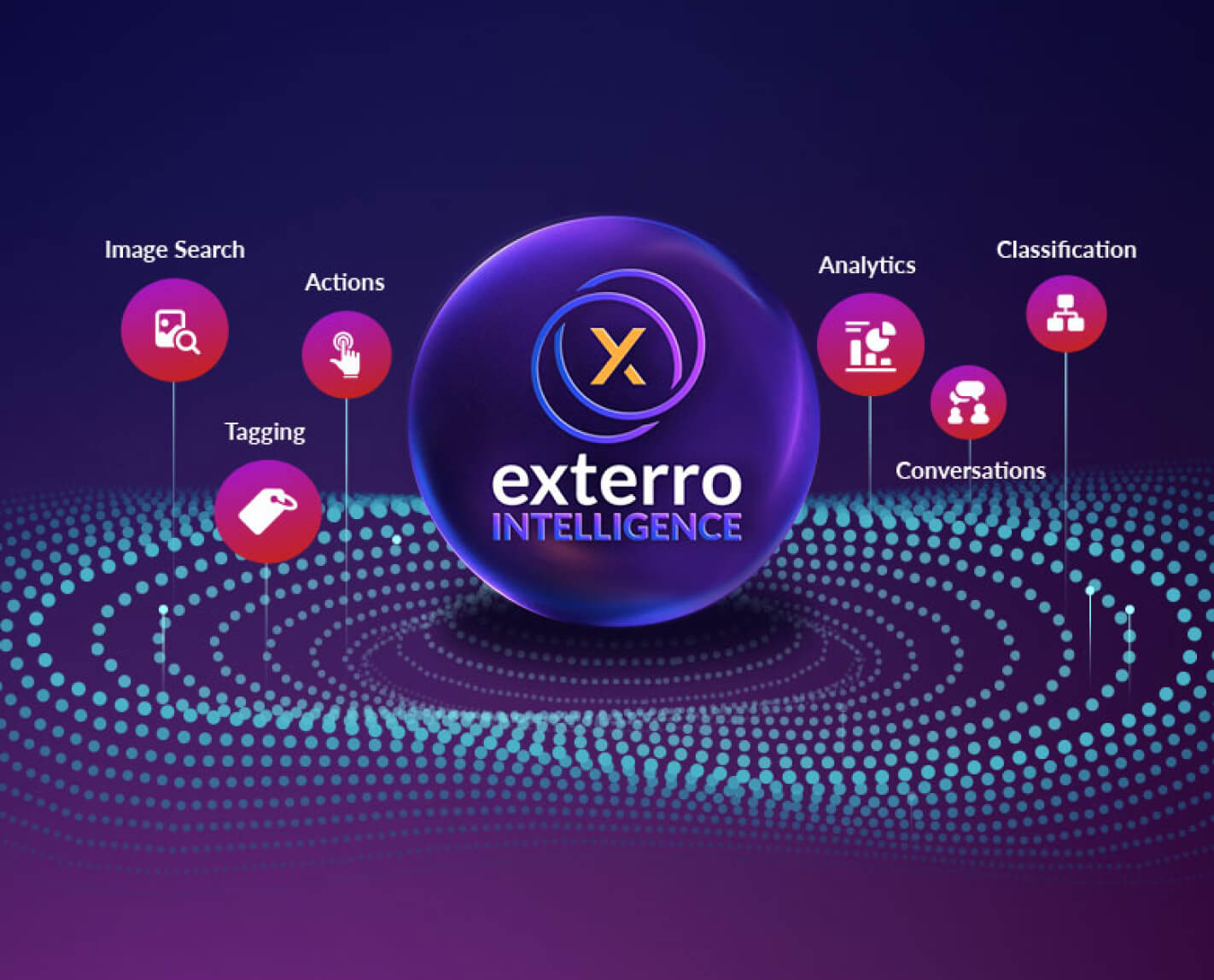
Exterro Intelligence is our foundational AI stack built to transform complex corporate data into defensible, harmonized data retention requirements, ensuring seamless compliance and efficient records management. Powered by human-guided agentic AI, it automates the busywork of data retention work and provides audit-ready reports that validate and explain your actions with absolute confidence.

Navigate the intricacies of international compliance efficiently. Exterro Data Retention expertly maps over 900 records to a comprehensive library of global retention regulations and industry best practices. This expansive coverage spans over 300 jurisdictions and nearly 300,000 citations worldwide.

Operating in multiple jurisdictions often means struggling to reconcile conflicting legal requirements, which risks severe non-compliance penalties. Exterro Data Retention expertly harmonizes these conflicting retention requirements across multiple global jurisdictions, enabling seamless enterprise-wide compliance and efficient, risk-averse records management.

Maintain detailed records of all changes and communications within your retention schedule to proactively demonstrate transparent, responsible record handling. This comprehensive audit trail equips organizations with a robust, clear defense during potential lawsuits and regulatory investigations.

With 190+ native connectors to enterprise data sources across email, cloud storage, and collaboration platforms, Exterro delivers secure, direct and deeper access to more enterprise data sources than any other solution.
.png)
Exterro's ironclad commitment to securing data has earned us ISO 27001, SOC II, FedRAMP, TISAX, and HiTrust certifications.

Everything you need to know about how Exterro Data Retention helps support information governance and regulatory compliance.
Defensible deletion (or defensible disposition) is the systematic, policy-driven destruction of enterprise data that no longer serves an operational, legal, or regulatory purpose. It relies on automated workflows, pre-deletion approvals, cryptographic verification, and legal hold integration to ensure data is destroyed permanently and legally without risking spoliation or breaching statutory retention mandates.
Automated retention software integrates directly with legal hold management platforms. Before executing any scheduled deletion job, the retention engine automatically cross-references targeted files and custodians against active legal holds, instantly placing a freeze on relevant data while allowing routine disposal of non-matter records to proceed.
Statutory retention schedules dictate the minimum timeframe an organization must retain specific financial, tax, or legal records by law. Privacy-driven storage limitations (such as those under GDPR and CPRA) dictate maximum timeframes personal data may be kept. Effective governance platforms reconcile these requirements by assigning retention policies based on jurisdiction, data type, and business function.
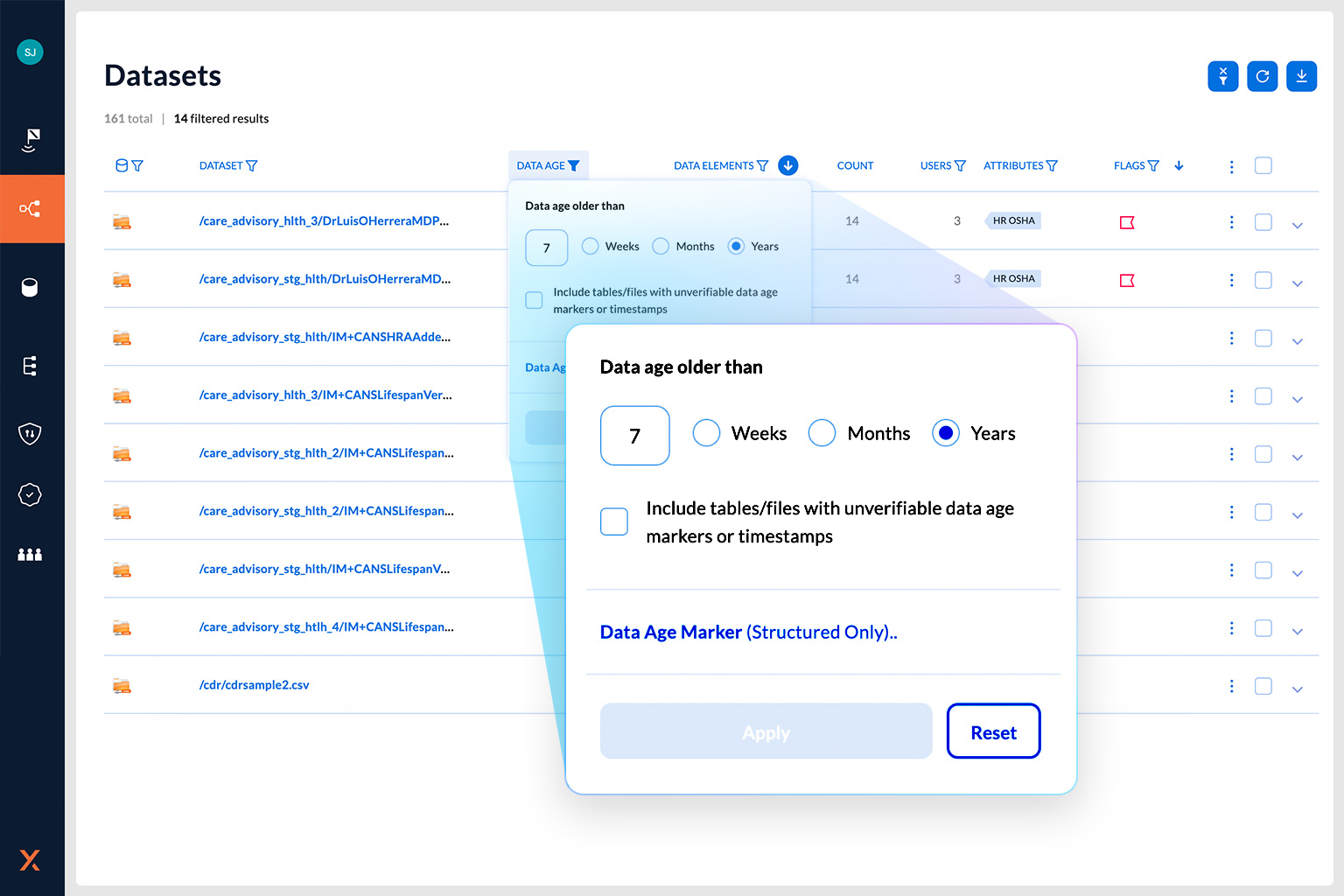
Modern retention software uses direct API connectors and AI-driven classification to scan, index, and categorize unstructured data—such as emails, file shares, and chat applications—across environments like Microsoft 365, Google Workspace, and network drives. Retention tags and expiry rules are applied directly based on content metadata and custom policy triggers
Static spreadsheets rely on manual tracking, quickly become outdated as global regulations evolve, and cannot enforce execution across IT infrastructure. Automated retention software continuously updates legal requirements via live regulatory databases, maps rules directly to data repositories, and automates disposition workflows to eliminate human error and policy drift.
Under HIPAA rules (45 CFR § 164.316), covered entities and business associates must retain administrative policies, privacy documentation, and compliance records for at least 6 years from the date of creation or last effective date. Medical record retention rules vary by state law, typically requiring retention between 7 and 10 years for adult patient records.
Under SOX Section 802 (18 U.S.C. § 1520), corporate entities and accounting firms must retain audit workpapers, financial reviews, memoranda, and critical electronic communications related to financial audits for 7 years after the end of the fiscal period in which the audit was concluded.
Under the Fair Labor Standards Act (FLSA), payroll records, collective bargaining agreements, and sales/purchase records must be retained for at least 3 years, while basic employment records (timecards, work schedules) require 2 years. The EEOC mandates retaining all personnel and employment records for 1 year from the date of creation or personnel action.
See Exterro’s Data Governance solutions in action.
Learn about privacy best practices and how technology supports them from industry experts.

The world’s most trusted and defensible data retention and disposal software solution for meeting domestic and international regulatory obligations.

Check out these great tips to start eDiscovery off on the right foot by implementing a smarter information governance program.

Read this post to learn about the importance of a data catalog to protecting your organization against all sorts of data risks.