Why Mobile Investigation Technology is Essential for Modern Enterprises
The Rising Demand for Remote Mobile Investigations
Mobile devices have revolutionized corporate operations. From communicating with coworkers via encrypted messaging apps to storing sensitive business data in the cloud, smartphones and tablets have become crucial tools for modern workforces. Yet this shift presents new challenges for legal compliance teams, digital forensic investigators, and cybersecurity professionals.
Over 75% of e-discovery matters now involve mobile devices, yet 71% of investigators report difficulties in retrieving data remotely from these devices. Traditional methods like physically collecting devices or installing forensic agents are no longer practical in today’s remote, mobile-driven work environment.
The need for advanced mobile investigation technology has never been greater. Remote mobile data collection is essential for legal, compliance, and security investigations, providing organizations with a secure and efficient way to gather critical evidence.
Challenges of Remote Mobile Investigations
Remote mobile investigations may sound straightforward, but they are fraught with difficulties. Here are the most common hurdles faced by investigation teams today:
1. Navigating BYOD Policies
Bring Your Own Device (BYOD) policies allow employees to use personal devices for work. While convenient, BYOD environments mix personal and business data on the same device, making it challenging to access work-related information without violating employee privacy rights.
2. Encrypted Communication Channels
Primary workplace communication has shifted away from email to platforms like WhatsApp, iMessage, Signal, and Microsoft Teams. Many of these apps store messages locally on devices and leverage end-to-end encryption. Traditional forensic tools either can’t access this data or require intrusive methods incompatible with modern privacy standards.
3. Privacy and Legal Risks
Regulations like GDPR, CCPA, and NIS2 demand that organizations collect only relevant data, avoiding full-device extractions. Excessive data collection not only violates these laws but also damages employee trust.
4. Delayed Investigations
Physically collecting devices from employees, particularly remote workers or those in different time zones, can delay case resolutions by weeks. Shipping devices to forensic labs risks data loss and disrupts employee productivity.
5. User Disruption
Employees are unlikely to consent to intrusive investigations, especially when required to hand over personal devices or install forensic agents. Disrupting workflows for executives or key employees can harm both productivity and reputation.
Organizations facing these challenges need innovative solutions that align with modern business practices while respecting privacy and speeding up investigations.
When Traditional Methods Fall Short
Old-school methods like physically collecting devices or installing forensic agents are time-consuming and inefficient. Here’s why they no longer suffice:
- Cost and Productivity Loss: Shipping devices disrupts workflows and increases costs.
- Privacy Concerns: Full-device imaging violates privacy rights and may breach laws like GDPR.
- Limited Scope: Traditional tools often fail to retrieve encrypted or app-based communications.
- Employee Resistance: Employees are unlikely to agree to intrusive methods like agent installation.
Organizations need modern solutions tailored to the demands of hybrid work environments and data-heavy investigations.
How Technology Overcomes These Challenges
Cutting-edge mobile investigation technology, like Exterro Remote Mobile Discovery (RMD), is designed to address these hurdles. Here’s how it’s changing the game:
Wireless and Agentless Data Collection
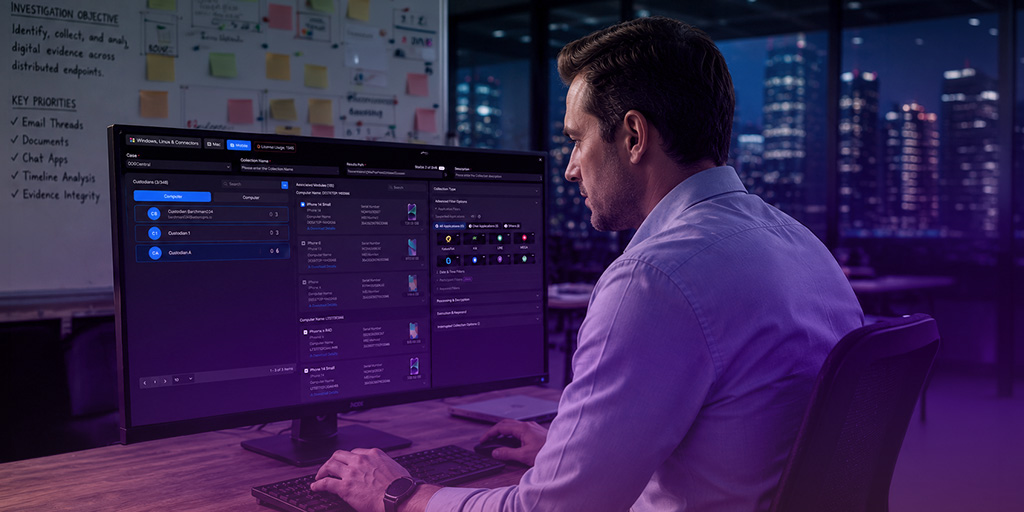
Exterro RMD eliminates the need to physically access a device or install forensic agents. It uses Wi-Fi or network connections to securely extract the required data, ensuring seamless, non-intrusive investigations. Employees can remain productive, while investigators gather the evidence they need discreetly.
Targeted Data Acquisition
Unlike traditional tools that perform full-device extractions, modern platforms enable targeted data acquisition. Teams can focus on collecting only relevant work-related information, reducing review times, minimizing legal risks, and ensuring compliance with privacy regulations like GDPR.
Access to Messaging Data
Exterro RMD supports data retrieval from messaging apps, retrieving searchable, structured data, that investigators can review to quickly locate the information they need.
Seamless Integration with Existing Tools
Remote investigation tools seamlessly integrate with platforms like the Exterro FTK Suite and E-Discovery Data Management (EDDM). This unified approach allows investigators to analyze mobile, cloud, and endpoint data in one place, streamlining workflows and increasing efficiency.
Forensic-Grade Data Security
Maintaining evidentiary integrity is a top priority in investigations. Exterro RMD encrypts all collected data and ensures chain-of-custody protocols are followed, guaranteeing evidence is admissible in court and defensible in regulatory reviews.
Why Remote Mobile Data Collection Is Essential
The ability to remotely collect and review mobile data is no longer optional. Here’s why it’s critical for organizations today:
- More than 75% of e-discovery cases now require mobile device data.
- Cyber incidents and insider threats often hinge on evidence stored on mobile devices.
- Regulatory frameworks demand compliance with strict data privacy requirements.
- BYOD environments complicate investigations, increasing the need for targeted, non-intrusive methods.
For legal, compliance, and security professionals, advanced remote forensic tools are essential for protecting organizational interests while navigating complex investigations.
Take Action to Elevate Your Investigations
Organizations that fail to adopt modern mobile investigation technology risk falling behind. The ability to securely, discreetly, and efficiently access mobile data is critical to maintaining compliance, addressing legal challenges, and staying competitive.
To learn more about the future of mobile investigations and how Exterro RMD can transform your workflows, download our new whitepaper today.