Key Takeaways from Exterro XChange in Denver

At this year’s Exterro XChange, the Data Xposure podcast went live on stage, bringing together co-hosts Fahad Diwan, Jenny Hamilton, and Justin Tolman for a candid conversation about what’s shaping the future of legal, compliance, privacy, and digital forensics.
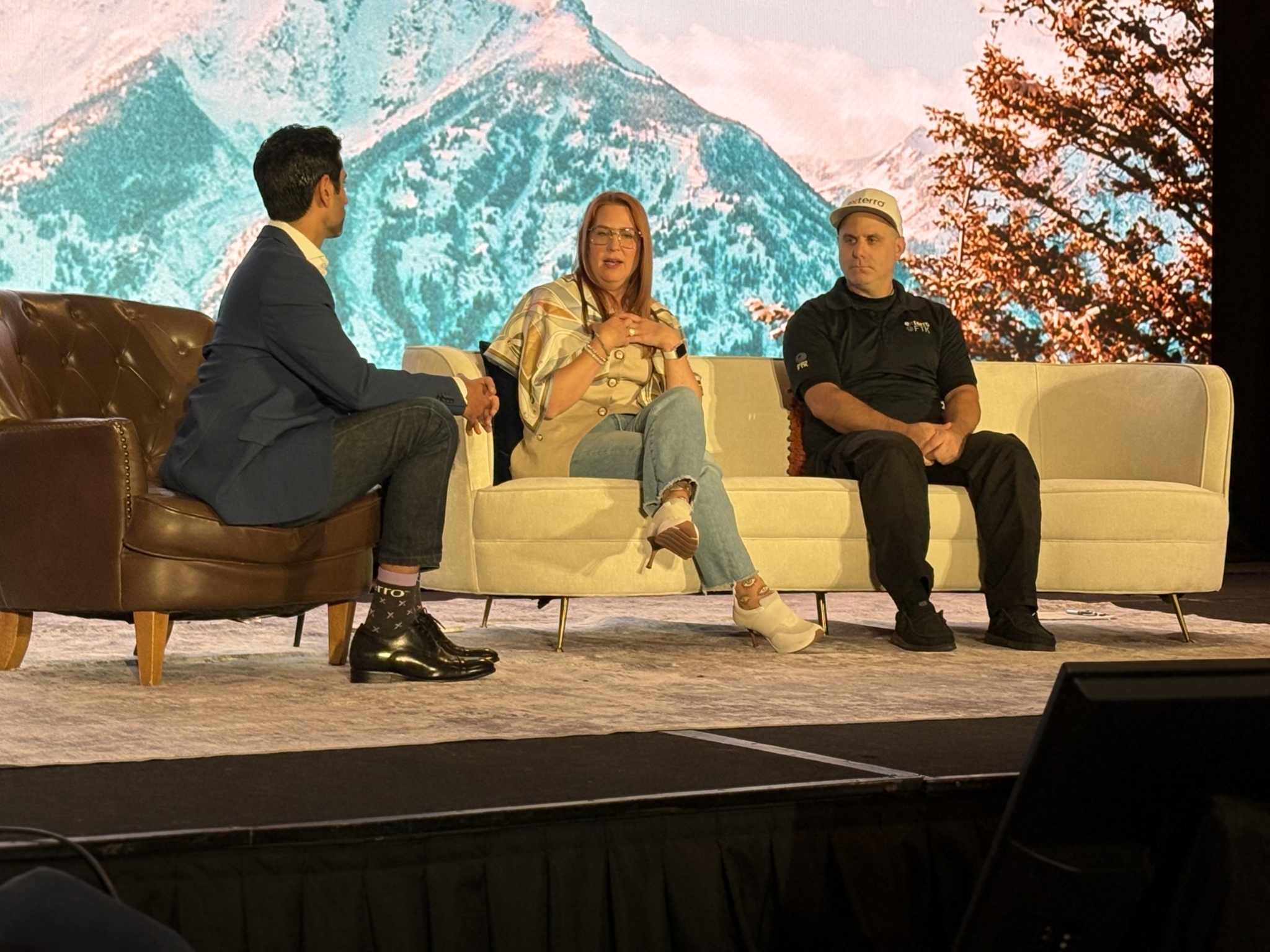
The conference featured powerhouse speakers like Nancy Grace and Marcia Clark alongside panels dissecting real-world cases such as the Karen Read trial. But the true throughline of the event—and this episode—was how professionals can adapt to new risks, break down silos, and responsibly embrace AI and automation.
Trust and the Social Dimension of Our Work
Jenny Hamilton noted how much public perception now shapes legal and compliance practice. With high-profile trials under constant media scrutiny, the credibility of a case can hinge on avoiding even small missteps. “We’ve come a long way in building programs and executing at a high level,” Jenny explained, “but we can’t get complacent. New challenges, especially around digital evidence, keep emerging.”
The lesson: in an age of constant visibility, diligence and transparency aren’t optional—they’re the foundation of trust.
Breaking Down Silos
Tolman observed a recurring theme from attendees: “We’re siloed, we’re siloed, we’re siloed.” Whether in digital forensics, compliance, or privacy, no investigation is a one-department gig anymore. The real demand is for workflows and technology that connect teams, move data efficiently, and enable collaboration.
The big shift? Organizations are starting to recognize that collaboration isn’t just about better communication—it’s about aligning processes and tools to reduce risk across the enterprise.
Responsible AI: Promise Meets Pressure
AI was everywhere at XChange. Legal teams see it as a way to eliminate repetitive tasks, from drafting legal holds to redacting documents for FOIA requests. Jenny pointed to Exterro Intelligence and Exterro Assist as examples of how AI is already transforming workflows, from summarizing complaints to surfacing key issues automatically.
But both Hamilton and Tolman agreed: trust is table stakes. “Our customers are looking for AI they can trust,” Tolman stressed. That means outputs must be validated, free of hallucinations, and securely contained. Legal teams can’t afford black-box technology—AI must be explainable, defensible, and ethical.
Automation: Freeing Professionals for the Work That Matters
The most energizing case studies showed how automation is helping organizations cut through massive data volumes. One customer used Exterro Intelligence to reduce a review set from 160,000 documents to just 3,300—demonstrating efficiency, defensibility, and ROI in a single stroke.
For Tolman, automation’s real value is freeing professionals to do the “fun part” of the job: analysis and decision-making. As he put it, “Let’s automate the mundane so you can focus on determining what’s actionable.”
Building a Connected Community
Beyond the tech and takeaways, the panelists kept circling back to something deeper: connection. XChange isn’t just about tools or trends—it’s about building relationships, sharing hard-won lessons, and fostering a community committed to doing the right thing.
As Hamilton summed it up: “This is the opportunity to connect, share stories, and develop the relationships we need to do our jobs—and to enjoy the work we do.”
Final Word
For the hosts, the conference offered three enduring lessons:
- Be transparent and diligent. Trust—whether in technology or people—remains central.
- Break down silos. Risk management is an enterprise-wide effort.
- Leverage AI and automation responsibly. Free your teams for higher-value work, but keep guardrails in place.
Or, in Diwan’s words, “Be emotionally vulnerable. People trust what feels genuine. And when it comes to technology—make sure the AI is just as trustworthy.”
Learn more about Data Xposure, the podcast for data risk leaders.