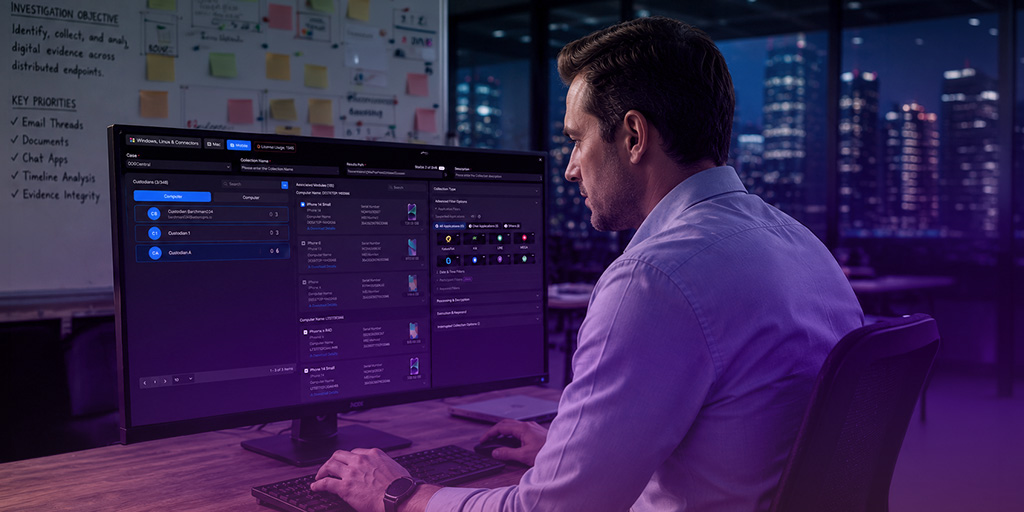
The Basics of E-Discovery Refresher: E-Discovery Software

What Is the Role of Software in the E-Discovery Process?
Technology assists in the e-discovery process in three ways.
- It helps you manage the e-discovery process.
- It allows you to perform certain tasks faster or better.
- It facilitates collaboration between the multiple parties engaged in e-discovery.
Sofor examplein e-discoverywe need to collect all the electronically stored information (ESI) relevant to a particular matter. Technology can help us find relevant documents more quicklybring them to our systems to help us analyze themand then transfer them to another party for document review.
How Has E-Discovery Software Changed over the Last 10 Years?
E-Discovery technology has changed from being a series of different point solutions (products designed to do individual tasks) to something that’s much more platform-based and collaborative. At the same timeuser interfaces have evolved to allow attorneysparalegalsand other non-technology professionals to do the bulk of the workwhere in the past technology experts and IT professionals had to perform most of the tasks involved with e-discovery.
What Are the Current Big Trends in E-Discovery Software?
There are three big trends in E-Discovery software today.
- Artificial Intelligence (AI) really allows you to find your documentsperform your reviews and complete other associated tasks more conciselyquicklyand defensibly.
- A platform approach to e-discovery makes the process as efficient as possible. Information doesn’t have to be passed from tool to toolbut instead moves across different modules in a single technology platform seamlessly.
- Collaboration tools facilitate workflows across internal and external teamsallowing individuals in different departmentsphysical locationsand even organizations to see relevant project statustasksand timelines so they can do their jobs effectively.
If you’re interested in finding out more about the latest trends in e-discovery softwarecheck out Exterro’s Comprehensive Guide to Buying E-Discovery Software.
Exterro Comprehensive Guide to Buying E-Discovery Software
And if you’re interested in learning more of the fundamentals of e-discoverydownload the updated PDF version of our Basics of E-Discovery guide.